March 15, 2026
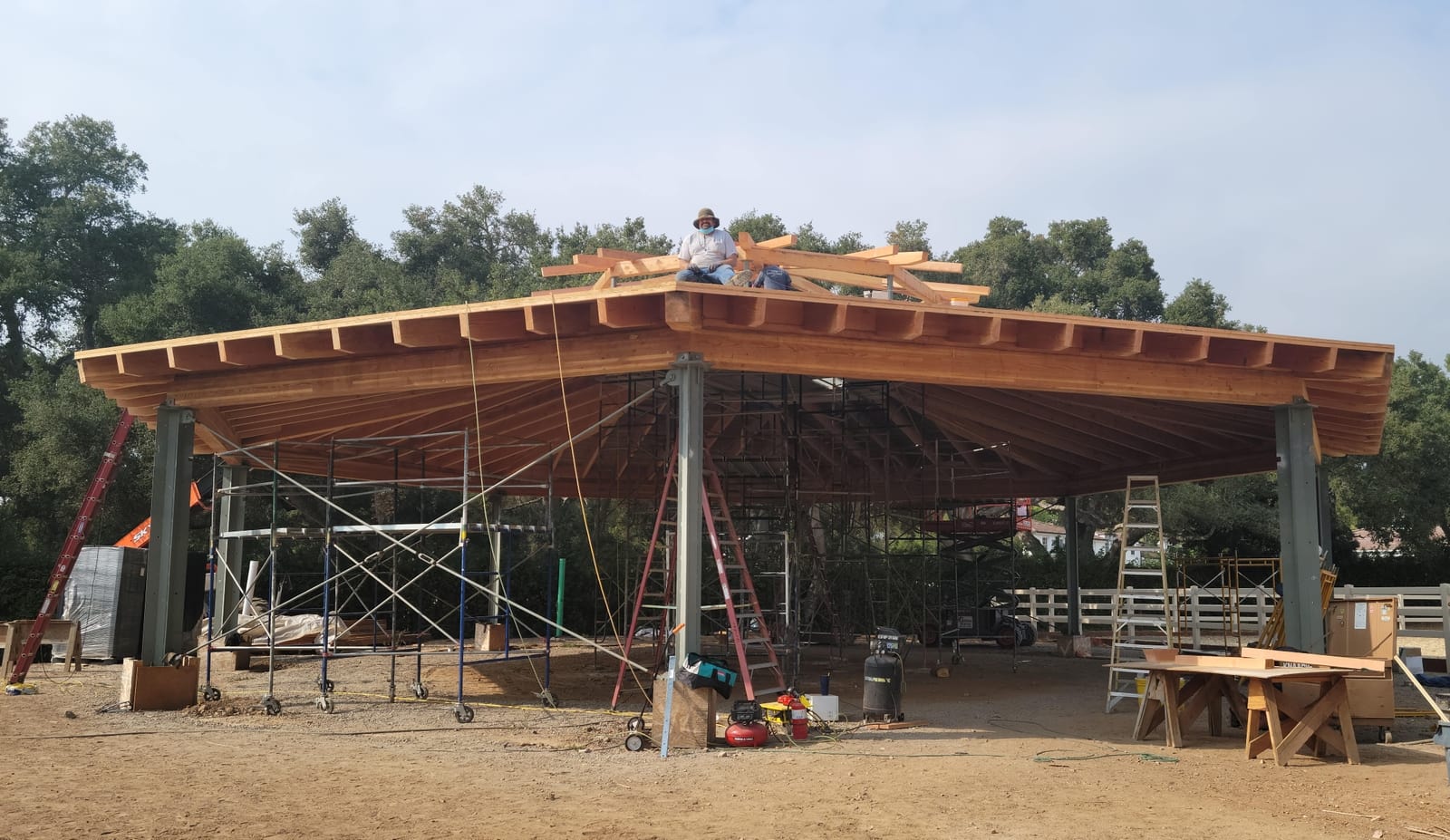
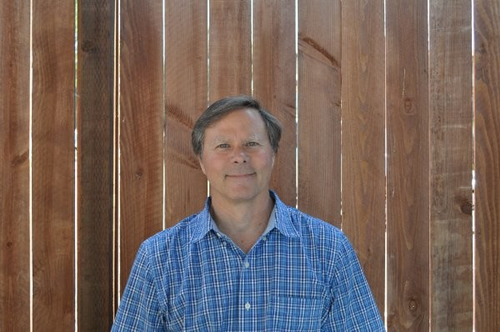
Early on, Thom Hume followed the steps of his father, a building contractor in Ventura and San Luis Obispo counties, before shifting his interest to architectural engineering to earn a degree at Cal Poly. After professional stints in Newport Beach and Santa Barbara, he circled back to San Luis Obispo to open Hume Engineering in the early 1990s.
For more details on his formative years, early days in Santa Barbara, and the challenges of his work, we caught up with Hume for a quick Q&A.
G&C: What was it like growing up with a contractor dad?
Hume: By the time I was five, I was helping clean up around jobsites. Through high school I was framing and doing other construction work. My father actually wanted me to go to college and avoid the contractor business, so I decided to pursue architectural engineering. I discovered I really enjoyed it and started working with a structural engineer when I first began attending Cal Poly San Luis Obispo.
After college?
A few years after Cal Poly, I moved to Orange County. Eventually I decided I wanted a change but wasn’t quite ready to move back to San Luis Obispo. So I tried Santa Barbara. I quickly realized how special it was — not only its beauty but also the quality of the work being done there.
One of my earliest memories working in Santa Barbara was with Bruce Giffin of Giffin & Crane on a project at Hammond’s Point around 1991. Bruce was incredibly friendly and always focused on achieving the highest level of quality. He never shied away from doing the right thing, even when it required extra effort. Over the years, our shared focus on quality and hard work has brought us back together on many projects.
Why the move back to SLO?
When it came time for me to buy a home, Santa Barbara had become unrealistic if I wanted to live close to the beach. At the time, it was still possible to buy near the beach in Cayucos. I moved there and continued working on projects in San Luis Obispo. But it was the professionalism and the high level of craftsmanship that kept bringing work from Santa Barbara.
What were some of the challenges of headquartering in Cayucos and taking on jobs in Santa Barbara?
I remember sending drawings to a print shop where they would unzip multiple files, print them, and deliver them to the architects. Sometimes we printed plans ourselves and walked them to the Greyhound station so they could be picked up the same day in Santa Barbara.
Site visits were also complicated. Before cell phones, I knew where every payphone was in Santa Barbara so I could call contractors, architects, or our office to check on updates and changes.
What about the challenges of working on some of the classic Santa Barbara mansions? Some were built using hollow clay tile, correct? What is that, and what are the structural concerns?
Hollow clay tile was a popular wall material in the early 1900s. They’re essentially large clay blocks that are fired in a kiln, like brick, but formed with hollow cores. The hollow cores made them lighter and easier to install, and they provided good fire resistance.
The challenge is that hollow clay tile is brittle and doesn’t perform well under lateral forces, like earthquakes. Many of these homes are covered in stucco, so owners often don’t realize they have clay tile walls until renovations begin and the walls are opened up.
Then what?
When we encounter these conditions, we typically add structural reinforcement — such as steel frames, plywood shearwalls, or reinforced concrete elements — while keeping the original exterior appearance intact.
You’ve also worked on older homes that used beach sand in their concrete mixes.
Before modern building codes and material standards, it wasn’t uncommon to use locally sourced sand, including beach sand, in concrete mixes. The sand from the beach is very small, round rock. When mixed with concrete, it is almost like putting your building on ballbearings — any lateral movement, such as an earthquake, can cause extensive damage, and should be addressed.
How do you deal with that?
When we evaluate these homes, we often perform testing to determine the strength of the existing materials. If needed, we reinforce or supplement the existing foundation with new concrete, grade beams, or other structural upgrades that meet current standards.
Working on historic homes, how do you implement structural solutions while preserving the original architectural style?
Balancing structural safety with historic preservation is always a challenge. It really starts with understanding how the building was originally constructed and what architectural features are important to preserve.
From there, we look for ways to integrate structural upgrades that are hidden within the building, things like concealed steel frames, upgraded shear walls behind existing finishes, or reinforcing foundations below grade. The goal is to bring the building up to modern structural performance while maintaining the character and craftsmanship that make these homes special.
Anything you’d like to add?
I’ve always really enjoyed the work and the opportunity to mentor the interns who have come through our office. We’ve stayed in touch with many of them over the years. One great example is Tony Nixon, who interned with us while attending Cal Poly. He is now my business partner. Tony has played a huge role in our success and has worked closely with Giffin & Crane on some incredibly complex projects.
As I reflect on my career, I realize how fortunate I’ve been to work with such a great group of contractors, in an incredible location, on projects that many people only dream about. I don’t have any real desire to retire, though I may slow down a bit. The people I work with and the challenges of the projects are what keep bringing me back.